How Do Yoga Workshops Differ from Regular Classes?
Yoga offers numerous benefits, whether you're attending regular classes or specialized workshops. Many people wonder, though, how exactly do yoga workshops differ from the typical classes offered at studios? In this blog, we'll explore the key distinctions and help you decide which experience might be best for you.
Understanding the Format
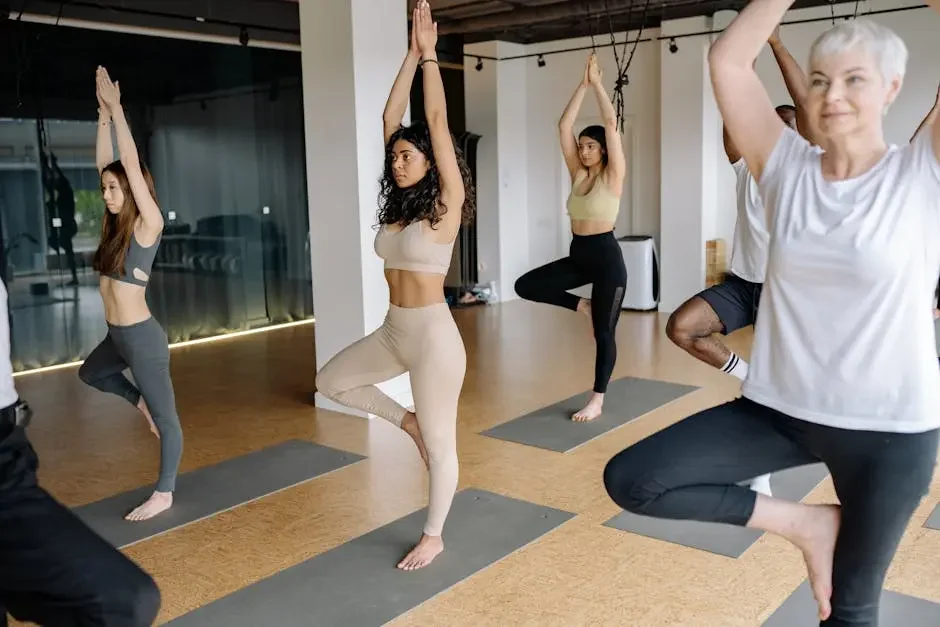
Yoga workshops and regular classes differ significantly in their format. Workshops are usually intensive and longer in duration, focusing on specific themes or techniques, while regular classes tend to fit into a consistent schedule and maintain a general approach over time.
Workshops might run for several hours or even an entire day, allowing participants to soak in as much knowledge and practice as possible. They often start with a brief overview of what to expect, followed by a deep dive into the subject matter. In contrast, regular classes mostly stick to an hour or hour-and-a-half format, repeating weekly to fit seamlessly into participants' routines.
Exploring the Depth of Study
Workshops allow students to explore yoga topics with greater depth. They often provide a chance to study intricate postures, develop advanced skills, or delve into the philosophical aspects of yoga. Whereas regular classes typically cover a broader range of poses and principles over various sessions.
Imagine immersing yourself in a workshop dedicated solely to mastering the art of breathing, or 'Pranayama'. Such workshops might provide intense practice sessions and discussions on breathing techniques, something a regular class might touch on only briefly. The dedicated focus enables students to leave with actionable insights and improved skills.
For curious minds wanting more than physical practice, workshops often incorporate theoretical learnings, exploring the history and cultural significance of yoga. This broader perspective not only enriches the practice but also fosters a deeper appreciation for the philosophical aspects of yoga.
Instructor Expertise and Specialization
Yoga workshops often feature instructors with specialized expertise who are eager to share their knowledge and passion with a focused group of students. In contrast, regular classes may be led by instructors who cover a wider variety of styles and techniques, catering to diverse student needs.
At a workshop, you might find an instructor renowned for their mastery of a specific yoga style, like Ashtanga, offering personalized feedback to participants. This kind of expert-led environment fosters both skill enhancement and inspiration.
In regular classes, teachers aim to ensure comfort and accessibility, catering to varied skill levels in a single session. While this approach is inclusive, it often limits the depth instructors can achieve compared to a specialized session in a workshop.
Community and Connection
Both workshops and regular classes cultivate a sense of community, but in different ways. Workshops often bring together people with specific interests, fostering rich discussions and long-lasting connections. Regular classes help build a steady community of practitioners who progress together over time.
In a workshop setting, you'll likely be amongst individuals sharing a common goal or interest. This commonality encourages supportive interactions and fosters a thriving sense of inclusivity and community.
Regular classes, on the other hand, create a different dynamic. Consistent attendance builds familiarity among students and teachers, leading to strong bonds within the class, offering a warm environment that feels like a second home.
Deciding Which Is Right for You
Consider your personal goals and current experience when deciding between workshops and regular classes. Workshops might be ideal if you're looking to intensify your practice or gain specialized knowledge, whereas regular classes benefit those seeking consistency and holistic growth over time.
For beginners, regular classes might be the perfect starting point. The gradual learning pace and repetitive schedule help build a solid foundation. Conversely, experienced practitioners looking to challenge themselves or break away from routine might find workshops more appealing as they offer concentrated learning experiences.
If you're still unsure, it might be helpful to consult with your local yoga studio for guidance and recommendations based on your unique personal yoga journey.
Choosing the Right Path for Your Yoga Journey
In summary, yoga workshops and regular classes each have their unique advantages. Depending on your personal goals, experience level, and desire to dive deeper into your practice, you may find one more suitable than the other. Whichever path you choose, both promise enriching experiences along your yoga journey.