9 Essential Vinyasa Flow Poses for Beginners
Embarking on a yoga journey can feel both exciting and a bit overwhelming, especially when you're trying to master the flow of poses. Vinyasa Flow is a fantastic style for beginners, seamlessly connecting breath with movement to create a dance-like rhythm. Here are nine essential poses to get you started on your Vinyasa path with confidence.
1. Mountain Pose as the Foundation
Mountain Pose, or Tadasana, is where it all begins. This pose helps you find your alignment and ground your energy, crucial for an effective flow. Stand tall and steady, focusing on your breath as you become aware of your body's balance.
Tadasana might look simple, but it's a powerful tool for enhancing your Vinyasa practice. By practicing this pose regularly, you can improve your posture and gain greater control over your body movements. It's also a great way to meditate on your breathing, grounding yourself before you dive into more complex poses. As you master the art of standing still, you'll notice how it amplifies your stability during Vinyasa flow sequences.
2. Downward Facing Dog for Stretch and Strength
Downward Facing Dog is a staple in Vinyasa Flow. It not only stretches your entire body but also builds strength in your arms and legs. Pushing back into this pose, try to distribute the weight evenly through your palms to find balance.
Incorporating Downward Facing Dog into your routine can bring numerous benefits. This pose helps elongate the spine and increase flexibility in the hamstrings and calves. It's also effective for strengthening the upper body and promoting relaxation through the inversion of the body. By ensuring your fingers are spread wide, you help protect your wrists, thus making this pose sustainable for longer durations. Over time, you'll find this position to be a sanctuary, a resting place in your flow sequences.
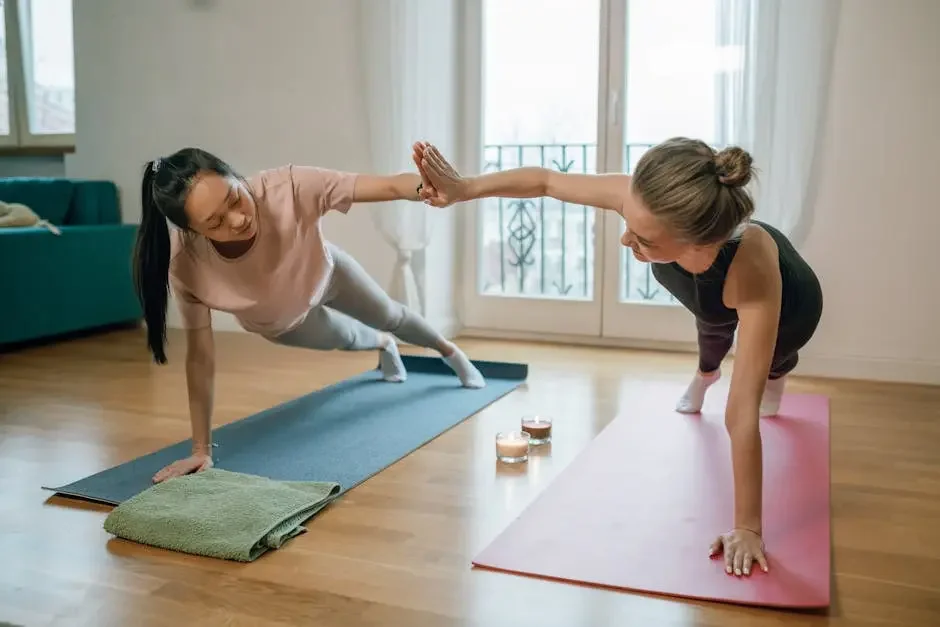
3. Plank Pose to Build Core Stability
A strong core is essential, and Plank Pose helps develop that stability. Align your shoulders over your wrists, engage your abs, and hold for a few breaths. This pose is a great transition between poses and strengthens your body foundation.
Mastering Plank Pose can vastly improve your overall yoga practice. Not only does it solidify your core, but it also prepares your body for more demanding postures. The key is to engage your entire body, pressing actively through your heels and lifting your thighs. This focus on alignment promotes a safe practice and enhances your endurance over time. As you build this strength, you'll find transitions in your Vinyasa sequences to become smoother and more fluid.
4. Chaturanga for Arm and Shoulder Strength
Chaturanga is a challenging but rewarding pose in Vinyasa Flow. It combines strength and control, engaging your arms, shoulders, and core. Lower down from Plank, keeping elbows close to your body for proper alignment.
In Chaturanga, technique is key. By emphasizing control and precision, you can prevent strain on your shoulders and wrists. Lower your body with care, keeping the body parallel to the floor, and ensure that your elbows form a 90-degree angle. This pose builds robust arm and shoulder muscles, which are crucial for advanced yoga practices. As you progress, this strength will become evident, not only in yoga but also in daily life activities requiring upper body resilience.
5. Cobra Pose for Back Flexibility
Cobra Pose opens up the heart and enhances flexibility in your spine. It provides a gentle backbend and is typically used as a counterpose to Chaturanga. Focus on lifting through your chest while keeping your neck relaxed.
Achieving a comfortable Cobra Pose relies on proper technique and gentle progression. By pressing your pelvis into the mat, you stabilize your base, allowing your chest to rise without pressure on your back. This pose is a gateway to more advanced backbends, and it greatly improves postural alignment. Additionally, it helps open the chest, enhancing respiration and fostering a sense of spaciousness within the body.
6. Warrior Pose for Empowerment
Warrior Poses, such as Warrior One and Warrior Two, are empowering and energizing. They help improve strength and stability in your legs and core, all while encouraging a strong, focused mind.
In Warrior Poses, grounding through the feet while reaching through the fingertips embodies strength and stability. These poses enhance stamina and concentration, crucial for both yoga practice and everyday life challenges. By practicing these positions regularly, you cultivate a sense of empowerment and control, encouraging a resilient mindset beyond the mat. As you engage with Warrior poses, visualize the empowerment they bring, drawing parallels with life's challenges, and emerging stronger.
7. Triangle Pose for Deep Stretching
Triangle Pose is perfect for stretching out the sides of your body while building strength in the legs and improving balance. The key is to maintain a single plane, extending through your arms and hips.
Focusing on alignment in Triangle Pose is crucial. Keeping the back foot firmly rooted helps in stretching both the side body and the hamstrings comprehensively. By extending the top hand towards the sky, a beautiful diagonal line can be formed, enhancing your sense of balance and coordination. With regular practice, your flexibility will improve noticeably, contributing to a graceful flow in your Vinyasa sequences.
8. Bridge Pose as a Gentle Backbend
Bridge Pose provides a gentle opening of the chest and stretching of the back. It's crucial for relaxing the muscles and preparing the body for deeper backbend exercises.
To make Bridge Pose more effective, engaging the glutes and thighs will help lift the hips higher while stabilizing the lower back. This pose also stimulates the abdominal organs, benefiting digestion. Incorporating Bridge into your routine not only builds flexibility in your spine but also strengthens muscles necessary for deeper backbends. As a result, this posture enhances your yoga practice journey, preparing you for more advanced poses.
9. Child's Pose for Rest and Recovery
Child's Pose is a restful posture that should be practiced throughout your Vinyasa sequence. It gives a moment to catch your breath, re-center your mind, and rejuvenate the body in a relaxed state.
Child's Pose is beneficial for soothing the body and mind, providing a sanctuary during an intense yoga sequence. By folding into this pose, you allow your mind to settle, surrendering to the breath and fostering inner peace. As you rest your forehead on the mat, you activate the relaxation response in your body, releasing tension and stress accumulated in the muscles. It's not just a pose but an opportunity to connect deeper with yourself, nurturing both physical and mental regeneration.